
How Much Does It Cost to Furnish an Office? | Alabama Guide
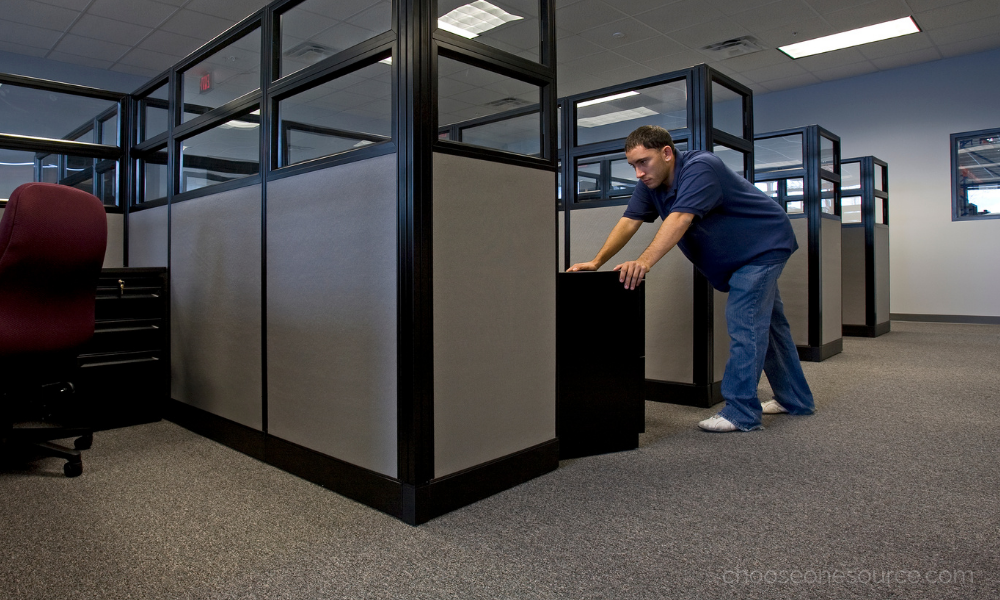
One of the first questions businesses ask when planning a new office is also one of the hardest to answer: How much does it cost to furnish an office?
The short answer is that there is no single price that works for every workplace. A small professional office with straightforward desks and task chairs will have a very different budget from a corporate headquarters with private offices, conference rooms, collaborative spaces, reception furniture, and custom finishes.
Still, having a realistic starting point matters. For Alabama businesses planning a new office, expansion, relocation, or renovation, understanding what actually drives furniture costs can help prevent surprises and make budgeting much easier.
At One Source Business Interiors, we help organizations plan spaces around their people, workflow, budget, and long-term goals. This guide breaks down the major cost factors so you can build a more informed office furniture budget before your project begins.
How Much Should You Budget Per Employee?
One of the easiest ways to begin estimating an office furniture budget is by looking at cost per employee.
As a general planning range, businesses may see approximately:
- $1,000 to $2,000 per employee for straightforward commercial-grade desks, task seating, and basic storage.
- $2,000 to $4,000 per employee for higher-quality ergonomic seating, upgraded workstations, better finishes, and more flexibility.
- $4,000 and up per employee for premium furniture, height-adjustable workstations, higher-end materials, executive offices, custom configurations, and design-forward spaces.
These numbers are only starting points. They don't automatically include conference rooms, reception areas, breakrooms, collaborative spaces, installation, or specialized furniture.
That's why simply multiplying headcount by the price of a desk can dramatically underestimate the real project cost.
What Actually Goes Into an Office Furniture Budget?
A complete office furniture project involves much more than desks and chairs.
Your budget may need to account for:
- Individual workstations or private-office desks.
- Ergonomic task chairs.
- Guest seating.
- Filing and personal storage.
- Conference tables and chairs.
- Reception furniture.
- Breakroom and café furniture.
- Collaborative seating.
- Training-room furniture.
- Monitor arms and ergonomic accessories.
- Delivery and professional installation.
Businesses often underestimate costs because they focus on individual workstations and forget the shared spaces employees and visitors use every day.
A more accurate starting point is to follow a complete office planning process that accounts for every room, user, and function before furniture is selected.
Office Layout Has a Major Impact on Cost
The way your office is configured can dramatically change the final budget.
Open Workstations
Open-plan workstations can often use space efficiently and allow multiple employees to share common components, storage, or power systems.
Private Offices
Private offices typically require more individual furniture, including desks, credenzas, guest seating, and storage. Larger executive offices may also use upgraded finishes or casegoods.
Hybrid and Flexible Workspaces
Hybrid offices may require fewer permanently assigned workstations but more collaborative spaces, hoteling stations, touchdown areas, and flexible furniture that can support different users throughout the week.
If your team is still deciding how much open versus enclosed space makes sense, comparing the advantages and limitations of open offices, private offices, and blended layouts can help clarify where your furniture budget will be spent.
Office Chairs Are One Area Where Quality Matters
It can be tempting to save money by choosing inexpensive seating, especially when you're furnishing dozens of workstations at once.
But office chairs are used for hours every day, making them one of the most important furniture investments in the entire workplace.
Higher-quality ergonomic seating often provides:
- Better adjustability.
- Improved lumbar support.
- More durable components.
- Longer warranties.
- Better comfort for employees with different body types.
Investing more strategically in seating can also reduce the need for premature replacement. That's part of the reason commercial-grade office furniture can provide better long-term value than choosing solely by initial price.
Conference Rooms Can Change the Budget Quickly
Conference rooms are easy to overlook when estimating furniture costs.
A small four-person meeting room may only need a compact table and several chairs. A larger boardroom may require:
- A substantial conference table.
- Eight, twelve, or twenty conference chairs.
- Credenzas or technology storage.
- Integrated power and data access.
- Specialty finishes or branded design elements.
The number and size of meeting spaces can therefore have a significant effect on your overall project budget.
Reception and Client-Facing Areas Deserve Their Own Budget
Your reception area is often the first physical interaction a client, patient, recruit, or business partner has with your organization.
That space may require:
- A reception desk.
- Guest seating.
- Occasional tables.
- Storage.
- Branded elements.
- Lighting and accessories.
Because this is a highly visible space, many businesses choose to invest a little more here than they would in a purely functional back-office area. Thoughtful reception-area design can help communicate professionalism and trust before a conversation even begins.
Don't Forget Delivery and Installation
The furniture price itself is not always the final project price.
Commercial furniture projects may also involve:
- Freight.
- Delivery.
- Assembly.
- Professional installation.
- Removal of packaging materials.
- Coordination with contractors or other trades.
Complex workstations, panel systems, modular furniture, and conference spaces often require professional installation to ensure everything is assembled safely and positioned according to the final plan.
New Office vs. Renovation Can Affect How Much You Spend
If you're renovating an existing office, you may be able to reuse some furniture and invest strategically in the areas that need the most improvement.
A completely new office gives you more flexibility but may require furnishing every space from scratch.
Before deciding how much to replace, evaluate whether your existing furniture still supports your team, your layout, and your future growth. Businesses facing that decision can often save money by first determining whether an office renovation or a completely new design makes the most sense for their goals.
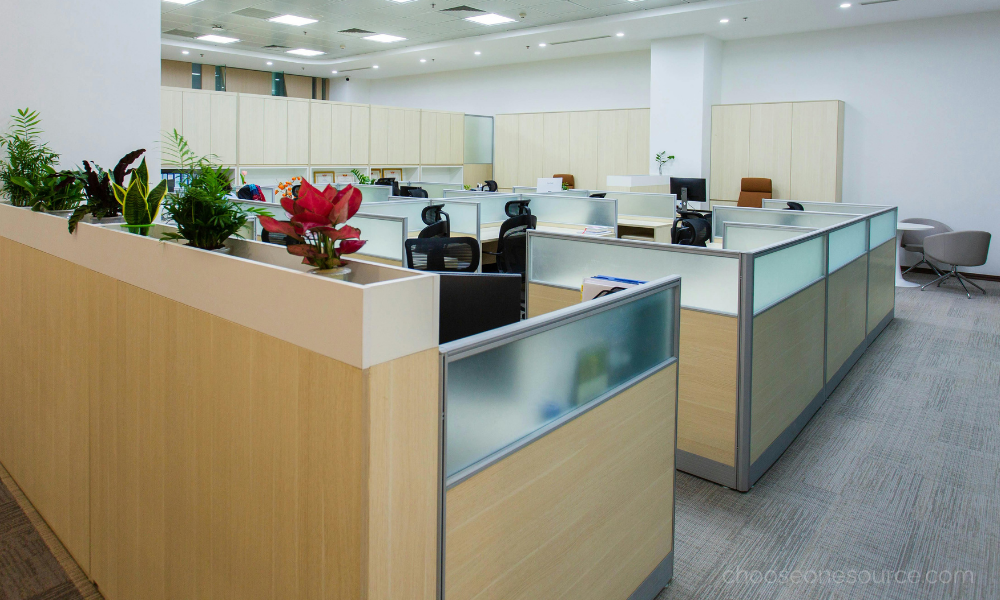
Furniture Quality Changes the Long-Term Cost
Two desks may look similar online but perform very differently after several years of daily commercial use.
Commercial-grade furniture is designed for heavier use and often includes stronger construction, better components, longer warranties, and replacement parts that can extend the life of the investment.
When comparing options, consider:
- Expected lifespan.
- Warranty coverage.
- Daily usage.
- Replacement-part availability.
- Ability to reconfigure furniture later.
The goal isn't to buy the most expensive furniture. It's to spend where durability, comfort, and adaptability will provide meaningful value over time.
Plan for Growth Before You Order
One of the most expensive office furniture mistakes is designing only for today's headcount.
If you're expecting growth, consider:
- Modular workstations that can be expanded.
- Furniture lines that will still be available when you add employees.
- Flexible meeting spaces.
- Storage that can grow with your team.
- Layouts that don't require a complete redesign every time staffing changes.
Designing for flexibility can prevent expensive replacement projects later. It also helps avoid several of the office planning mistakes that lead to wasted space, poor workflow, and costly redesigns.
How to Build a Realistic Office Furniture Budget
A good budget starts with the way your organization actually works.
Before requesting furniture pricing, determine:
- Your headcount. Include current employees and realistic near-term growth.
- Your room mix. Count private offices, workstations, conference rooms, reception spaces, breakrooms, and collaborative areas.
- Your priorities. Decide where comfort, durability, aesthetics, or flexibility matter most.
- Your quality level. Determine whether you need straightforward commercial solutions, premium finishes, or a combination.
- Your timeline. Product availability and lead times can influence which solutions are practical.
- Your installation needs. Include delivery and installation in your planning rather than treating them as an afterthought.
This process gives your design partner enough information to recommend products that fit your goals rather than simply quoting furniture piece by piece.
Where Should You Spend More, and Where Can You Save?
Most office projects don't need premium furniture everywhere.
You may choose to invest more in:
- Task seating employees use all day.
- High-traffic furniture that needs to withstand years of use.
- Reception and client-facing areas.
- Flexible furniture that can adapt as your business changes.
And you may be able to save on:
- Simple storage pieces.
- Low-use rooms.
- Areas where standard finishes work just as well as premium ones.
A professional space plan helps identify those tradeoffs before purchasing begins.
Why Professional Space Planning Can Save Money
Professional design isn't simply an additional expense. Done correctly, it can prevent costly mistakes.
A workplace designer can help determine:
- How many workstations actually fit.
- Which furniture sizes make sense.
- Where circulation space is required.
- Which products can serve multiple purposes.
- How furniture can adapt to future growth.
That planning becomes especially valuable in smaller spaces, where choosing the wrong desk size or layout can waste valuable square footage. Thoughtful space-saving office design can help businesses get more function from every square foot.
The Best Budget Is the One Built Around Your Business
There is no perfect per-employee number that applies to every office.
A growing technology company, financial institution, medical office, manufacturer, nonprofit, and school may all have the same number of employees but completely different furniture requirements.
The most useful budget considers:
- How employees work.
- How clients use the space.
- How long you expect to remain in the location.
- How quickly your organization may grow.
- Which furniture needs to withstand the most use.
That's why industry-specific planning matters. A workplace becomes much more effective when the furniture and layout are designed around the actual demands of your organization.
Get a Furniture Budget Built Around Your Space
Online estimates can help you establish a starting point, but the most accurate office furniture budget comes from understanding your actual floor plan, headcount, workflow, priorities, and timeline.
At One Source Business Interiors, we help Alabama businesses plan and furnish workplaces from concept through installation. Our team can help with space planning, furniture selection, ergonomic solutions, finish choices, delivery, and professional installation so every part of the project works together.
Whether you're furnishing a new office, expanding an existing location, or replacing outdated furniture, we'll help you build a solution that fits both your workplace and your budget.
Ready to find out what your office furniture project could cost? Tell us about your space, team, and goals, and we'll help you start building a realistic plan.
One Source... Infinite Possibilities...
At One Source Business Interiors, we believe where function and design collide, exceptional workspaces emerge. No matter how you work, our commitment remains steadfast: to create functional, yet beautiful spaces tailored for your team and your business. Ready to see the difference? Fill out the quote request form and discover the unique solutions we can offer.