
How Custom Office Interior Design Boosts Work Productivity
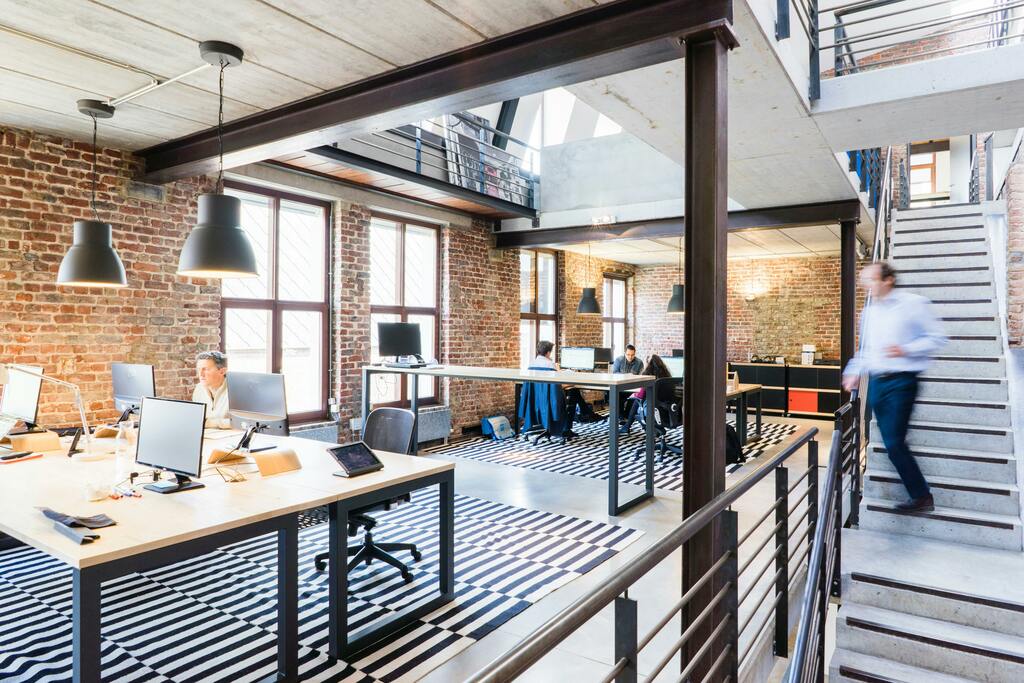
Businesses of every size, from growing startups to established corporations, are recognizing that office design directly influences productivity, employee well-being, collaboration, and long-term business success. A thoughtfully designed workspace is no longer considered a luxury. It's a strategic investment that helps companies attract talent, improve performance, and support future growth.
Research consistently shows that employees perform better in environments designed around how people actually work. The right combination of furniture, layout, lighting, acoustics, and technology can improve focus, encourage collaboration, and create a healthier, more engaging workplace.
This guide explores how custom office interior design impacts productivity and highlights practical strategies Alabama businesses can use to create high-performing workspaces.
Why Traditional Office Layouts No Longer Meet Today's Workplace Needs
Many traditional offices, filled with rows of cubicles, rigid layouts, and uninspiring finishes, were designed for a very different workforce. Today's employees expect flexibility, collaboration, comfort, and technology that supports the way they work.
Outdated office environments often reduce efficiency, discourage communication, and contribute to employee frustration. In fact, many of the issues companies experience stem from common office design mistakes that limit productivity and employee satisfaction.
Research continues to reinforce the importance of thoughtful workplace design:
- A Harvard Business Review study found that ineffective office layouts can significantly reduce productivity due to poor lighting, limited flexibility, and uninspiring work environments.
- Employees working in uncomfortable spaces experience higher burnout, lower motivation, and decreased creativity.
- Organizations that invest in workplace design consistently report improvements in employee engagement, collaboration, and overall job satisfaction.
Beyond productivity, office design has become an important recruiting and retention tool. Companies that create attractive, functional workplaces are often better positioned to attract and retain top talent in an increasingly competitive job market.
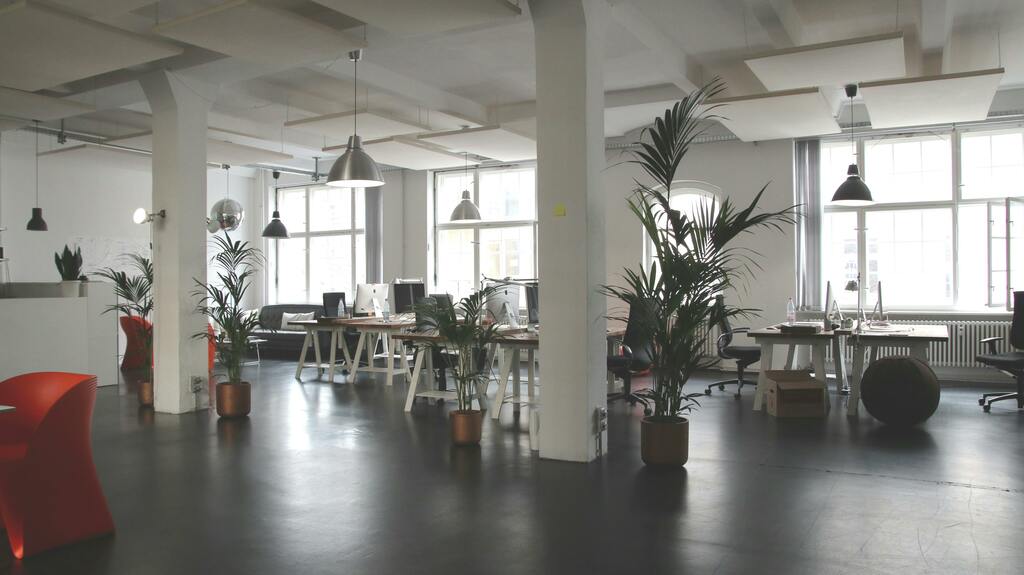
Key Elements of Office Design That Improve Productivity
Creating a productive workplace requires more than selecting attractive furniture. Every design decision should support the way employees work while reinforcing your company's culture and long-term goals.
Ergonomic Furniture Supports Better Performance
Employee comfort has a direct impact on productivity. Adjustable desks, supportive seating, monitor arms, and ergonomic accessories help reduce fatigue while minimizing the risk of repetitive stress injuries and back pain.
Choosing the right furniture begins with selecting pieces that fit both the employee and the work being performed. If you're evaluating seating options, our guide to choosing an ergonomic office chair explains the features that matter most.
When combined with thoughtful workspace planning, ergonomic furniture helps employees remain comfortable, focused, and productive throughout the workday.
Design Tip: Equip every workstation with adjustable seating, monitor positioning, and height-appropriate work surfaces to improve posture and reduce physical strain.
Flexible Workspaces Support Today's Workforce
Modern businesses require spaces that can adapt as work changes throughout the day. Instead of assigning every employee to a fixed workstation, many organizations now incorporate collaboration zones, quiet rooms, touchdown spaces, and flexible meeting areas.
These flexible workspace strategies allow employees to choose the environment that best supports the task at hand while making better use of available square footage.
Modular furniture also makes future growth much easier by allowing offices to evolve without requiring complete redesigns every few years.
Design Tip: Select furniture systems that can be easily reconfigured as departments grow, technology changes, or workplace needs evolve.
Natural Light and Biophilic Design Improve Employee Well-Being
Natural light is consistently linked to higher employee satisfaction, improved mood, and better productivity. Employees working in naturally lit environments often report lower stress levels and greater overall workplace satisfaction.
Biophilic design expands on this concept by incorporating natural materials, plants, daylight, and organic textures throughout the workplace. These elements help reduce stress while creating environments that feel healthier and more welcoming.
Biophilic design isn't limited to corporate offices. The same principles improve patient experiences in healthcare facilities, as discussed in our guide to designing patient-centered healthcare spaces.
Successful office design also recognizes that every industry has unique operational needs. Rather than copying another company's layout, businesses benefit most from designing workspaces around the way their industry operates.
Design Tip: Maximize access to natural light whenever possible, incorporate greenery throughout the office, and choose natural finishes that create a calm, welcoming environment.
Acoustics and Noise Control Help Employees Stay Focused
Open office environments encourage collaboration, but they can also introduce distractions that make it difficult for employees to concentrate. Background conversations, ringing phones, and constant movement can all impact productivity when acoustics aren't considered during the design process.
Thoughtful workspace planning helps balance collaboration with focused work. Businesses evaluating different layouts should also consider our comparison of open office layouts versus private offices to determine which approach best fits their team.
Simple acoustic improvements can make a significant difference, including:
- Acoustic wall panels and ceiling treatments.
- Carpet tiles and other sound-absorbing flooring.
- Soft seating and upholstered furniture.
- Dedicated quiet rooms for focused work.
- Strategic placement of collaborative spaces away from heads-down work areas.
Design Tip: Create a variety of work environments so employees can choose spaces that best support the task they're working on.
Use Color Psychology to Reinforce Your Brand and Workplace Culture
Color influences more than appearance. It affects mood, energy levels, creativity, and even how people perceive your company. The right color palette helps reinforce your brand while creating an environment that supports employee performance.
Cool blues and greens often encourage focus and calm, while warmer colors can inspire creativity and collaboration. Neutral palettes remain popular because they create timeless spaces that can evolve as your business grows.
Color choices should also support the experience you want clients and visitors to have. The same principles are especially important when designing reception areas that immediately build trust.
Design Tip: Choose colors that reinforce your brand while supporting the function of each workspace, from energetic collaboration areas to quiet focus zones.
Integrate Technology Into the Workplace
Technology has become a fundamental part of office design. Conference rooms, individual workstations, collaborative spaces, and even lounge areas should support the technology employees use every day.
Modern workplaces benefit from features such as:
- Built-in power and charging stations.
- Wireless presentation systems.
- Video conferencing technology.
- Sit-stand workstations with integrated cable management.
- Flexible meeting spaces that support both in-person and remote participants.
Technology planning works best when it's considered from the beginning of a project rather than added after furniture has already been selected. That's why we always recommend starting with a comprehensive office planning strategy before making major furniture and design decisions.
Design Tip: Plan for tomorrow's technology as well as today's to reduce future renovation costs and keep your workspace adaptable.

Productivity Starts With Thoughtful Office Design
Custom office design is about much more than creating an attractive workplace. The right combination of layout, furniture, lighting, acoustics, technology, and branding creates an environment where employees can perform at their best every day.
Businesses that invest in thoughtful office design often experience improved collaboration, higher employee satisfaction, stronger retention, and better overall productivity. In many cases, these improvements also contribute to a measurable return on investment over time. If you're evaluating that investment, explore why quality office furniture delivers long-term value.
Whether you're updating an existing workspace or starting from the ground up, successful projects begin with a clear understanding of how your people work today and how your business plans to grow tomorrow.
At OneSource Business Interiors, we help organizations across Alabama create workspaces that improve productivity, support employee well-being, and strengthen company culture. From space planning and furniture selection to installation and project management, we provide complete commercial interior solutions tailored to your business.
One Source... Infinite Possibilities...
At One Source Business Interiors, we believe where function and design collide, exceptional workspaces emerge. No matter how you work, our commitment remains steadfast: to create functional, yet beautiful spaces tailored for your team and your business. Ready to see the difference? Fill out the quote request form and discover the unique solutions we can offer.