
How to Choose the Best Office Furniture: A Balance of Style and Function
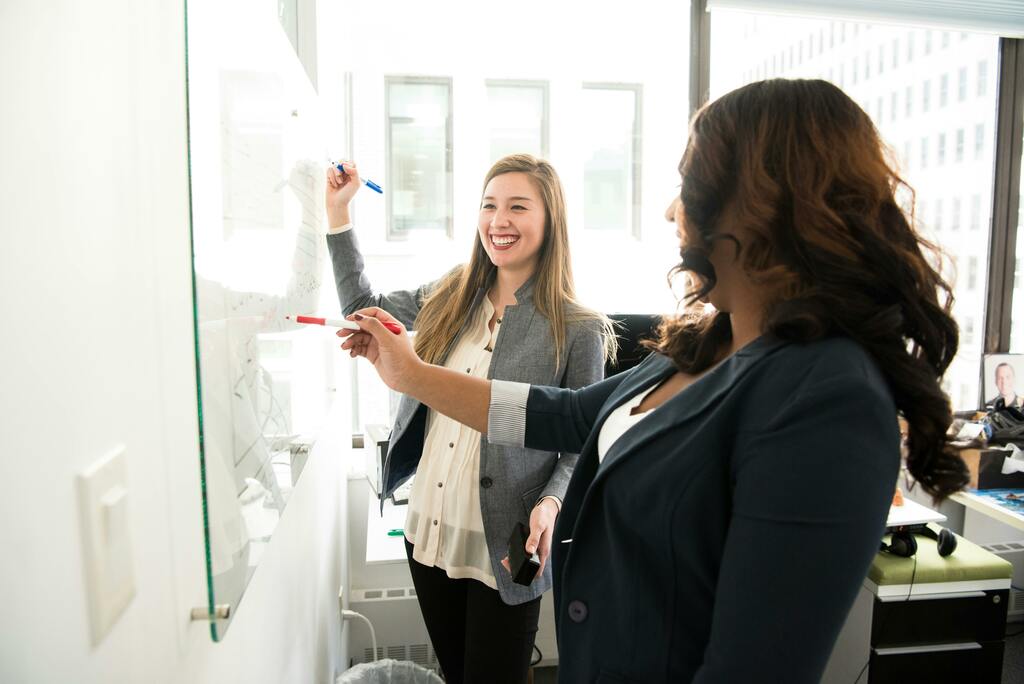
Office furniture is much more than a collection of desks and chairs. The furniture you choose influences how your employees work, collaborate, and feel every day. Thoughtfully designed workspaces improve productivity, support employee well-being, strengthen your company culture, and create a professional first impression for clients and visitors.
Today's workplaces look very different than they did even a few years ago. Hybrid schedules, collaborative workspaces, changing technology, and increased attention to employee wellness all require furniture that is flexible, durable, and built for the way people actually work. Whether you're furnishing a new office, renovating an existing workspace, or replacing outdated furniture, making smart decisions now can save money while supporting your business for years to come.
This guide walks through everything you should consider when selecting commercial office furniture, from ergonomics and productivity to branding, collaboration, and planning for future growth.

Start by Understanding How Your Office Works
Before selecting furniture, take time to understand how your team actually uses the space. The best office layouts are built around workflows, employee needs, and business goals rather than simply filling rooms with desks and chairs.
If you're furnishing an entirely new location, begin with a comprehensive office planning process. Proper planning helps ensure every square foot supports productivity while leaving room for future growth.
Consider these important questions before selecting furniture:
- How will employees work together? Open work areas may benefit from flexible workspaces that support hybrid teams, while departments requiring concentration may need enclosed offices or quiet zones.
- What type of work happens most often? Creative teams often need collaborative furniture, while accounting, legal, or administrative staff may prioritize privacy and organization.
- Does the layout reflect your brand? Furniture should reinforce your company's personality while creating a welcoming environment for employees and visitors.
- Can the office adapt over time? Modular furniture and height-adjustable workstations make it easier to accommodate organizational changes.
- Are you planning for future growth? Choosing scalable furniture today helps avoid expensive redesigns later.
- Is technology integrated? Cable management, built-in power access, and technology-friendly furniture improve both safety and efficiency.
Every successful office begins with a thoughtful plan. Businesses considering a larger transformation should also evaluate whether an office renovation or an entirely new design best fits their goals.
How the Right Office Furniture Improves Productivity
Office furniture has a direct impact on employee focus, efficiency, collaboration, and job satisfaction. Comfortable employees experience fewer distractions, move more naturally throughout the day, and remain engaged longer.
Furniture alone doesn't improve productivity. It works together with thoughtful layout planning, lighting, acoustics, and workspace organization to create an environment where people can do their best work.
Well-designed workspaces typically include:
- Ergonomic workstations that reduce fatigue and encourage healthy posture.
- Collaborative meeting areas that support teamwork without disrupting focused work.
- Efficient storage systems that minimize clutter and improve organization.
- Thoughtfully planned layouts that improve traffic flow and reduce distractions. Learn more about designing office layouts that increase productivity.
- Comfortable lounge and breakroom spaces that encourage employees to recharge throughout the day.
Even small improvements to furniture and layout can have a measurable impact on employee performance, collaboration, and workplace satisfaction.
Design for Employee Wellness, Not Just Appearance
A beautiful office means very little if employees aren't comfortable working there. Today's most successful workplaces are designed around employee wellness because healthier, happier employees tend to be more productive, engaged, and likely to remain with the company.
Thoughtful office design also supports recruitment efforts. Job candidates increasingly evaluate the quality of a workplace before accepting a position.
Businesses looking to improve retention should also explore how workplace design influences employee satisfaction and retention.
Employee-focused office design often includes:
- Ergonomic seating with adjustable lumbar support and armrests.
- Natural lighting that improves mood and reduces fatigue.
- Acoustic treatments that help employees concentrate.
- Healthy materials including low-VOC finishes and sustainable furniture.
- Flexible collaboration areas that support different work styles.
When employees feel physically supported and mentally comfortable, productivity naturally follows.
Why Ergonomics Should Never Be an Afterthought
Ergonomics isn't simply about purchasing expensive chairs. It's about creating workstations that fit the people using them. Poor posture and improperly adjusted furniture contribute to fatigue, repetitive stress injuries, back pain, and decreased productivity.
Modern ergonomic furniture helps employees remain comfortable throughout the workday while reducing long-term health concerns.
The biggest benefits of ergonomic office furniture include:
- Reduced physical strain through supportive seating and adjustable workstations. Choosing the right chair makes an enormous difference, and our guide to selecting an ergonomic office chair explains what to look for.
- Higher productivity because employees remain focused longer when they're comfortable.
- Greater movement through sit-stand desks and adjustable work surfaces.
- Personalized comfort for employees of different heights, body types, and work preferences.
- Improved morale because employees recognize their employer is investing in their health and success.
Ergonomic furniture should never be viewed as an expense. It's an investment in employee performance, workplace wellness, and long-term business success.
Keep Your Office Furniture Aligned With Your Brand
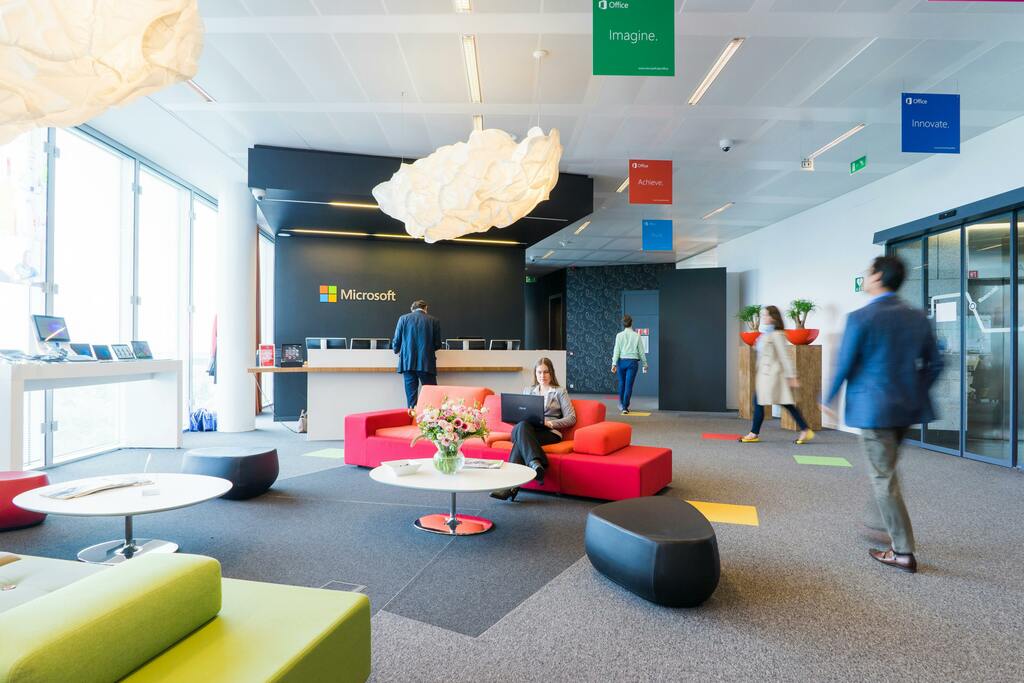
Your office is often the first physical interaction someone has with your business. Long before a conversation begins, your furniture, finishes, colors, and layout are already communicating your company's professionalism, personality, and attention to detail.
Whether you're welcoming prospective clients, interviewing new employees, or hosting partners, your workspace should reinforce your brand and the experience you want people to have.
Businesses that serve customers in person should also consider how their interiors influence first impressions. Many of the same design principles apply when designing reception areas that immediately build trust.
Choose Furniture That Reflects Your Company's Personality
The furniture you select should support the type of work you do while reflecting your organization's culture.
- Modern companies often prefer clean lines, technology integration, and minimalist workstations.
- Professional service firms typically choose timeless furniture with premium finishes that communicate stability and confidence.
- Creative organizations often incorporate collaborative furniture, flexible seating, and vibrant accents that encourage innovation.
- Healthcare and wellness providers frequently prioritize calming finishes, comfortable seating, and natural materials that help visitors feel at ease.
Every industry has unique design priorities. Understanding those differences is one reason we recommend designing workspaces around the specific needs of your industry instead of using a one-size-fits-all approach.
Use Color, Materials, and Finishes Intentionally
Branding isn't limited to your logo. Colors, textures, materials, and finishes all contribute to the way employees and visitors experience your space.
Consider incorporating:
- Brand colors through seating, artwork, accent walls, or collaborative spaces.
- Natural wood finishes that add warmth and professionalism.
- Glass elements that create openness while maintaining separation.
- Sustainable materials that reinforce your company's environmental values.
When every design element works together, your office becomes an extension of your brand rather than simply a place to work.
Create a Workplace People Actually Enjoy Coming To
Great offices don't happen by accident. They're intentionally designed to help employees feel comfortable, productive, and connected throughout the day.
While furniture is a major piece of that puzzle, lighting, layout, acoustics, color, and access to natural elements all influence how a workspace feels.
Simple improvements can make a significant difference:
- Position workstations to maximize natural light.
- Add plants or natural materials to soften the environment.
- Provide comfortable lounge areas where employees can recharge.
- Use color intentionally to create energy in collaborative spaces and calm in focused work areas.
- Allow employees appropriate opportunities to personalize their workspace.
Many organizations discover that improving the overall office experience begins by eliminating common office design mistakes that limit productivity.
A comfortable office isn't just good for morale. It also creates a better experience for customers, visitors, and prospective employees.
Invest in Durable Office Furniture That Lasts
Commercial office furniture is a long-term investment. Choosing durable materials from the beginning reduces maintenance costs, extends product life, and creates a more professional environment for years to come.
Rather than focusing only on purchase price, consider the total cost of ownership over the life of the furniture.
Popular commercial furniture materials include:
- Solid wood for executive offices and conference rooms.
- Metal frames that provide exceptional durability in high-use environments.
- Commercial laminates that resist scratches while requiring very little maintenance.
- Tempered glass for contemporary meeting spaces.
- Performance fabrics designed to withstand daily commercial use.
High-quality furniture often delivers a much stronger return over time than lower-cost alternatives. If you're evaluating the long-term value of your investment, you'll also want to read why investing in better office furniture pays off.

Design Collaborative Workspaces That Support Modern Teams
Today's offices must support both focused individual work and team collaboration. The most successful workplaces provide employees with a variety of environments so they can choose the space that best fits the task at hand.
Hybrid work has accelerated this shift, making flexibility one of the most valuable characteristics of modern office design.
Effective collaborative workspaces often include:
- Open collaboration areas for brainstorming.
- Modular furniture that can be easily reconfigured.
- Acoustic solutions that reduce distractions.
- Integrated technology for seamless virtual meetings.
- Comfortable seating that encourages longer discussions.
- Private rooms for focused work when needed.
Many organizations also find themselves deciding between open layouts and enclosed offices. If that's a decision you're facing, our guide comparing open office layouts versus private offices can help you determine which approach best fits your team.
Bring Nature Into the Workplace
Biophilic design continues to gain popularity because it creates healthier, more enjoyable workplaces. Incorporating natural elements into an office has been shown to reduce stress, improve creativity, and increase employee satisfaction.
Simple ways to incorporate biophilic design include:
- Maximizing natural daylight.
- Adding live plants throughout the office.
- Using wood, stone, and other natural materials.
- Selecting calming earth-tone color palettes.
- Incorporating textured finishes that create warmth and visual interest.
Biophilic design isn't reserved for corporate offices. Healthcare facilities are increasingly using these same concepts to improve patient experiences, as we discuss in our guide to patient-centered healthcare design.
Whether you're designing an office, clinic, or collaborative workspace, bringing nature indoors creates environments where people simply feel better.
Budget for Long-Term Value, Not Just Today's Price
Furnishing an office is a significant investment, but the goal shouldn't be finding the least expensive furniture. The goal is choosing solutions that will continue supporting your business for years to come.
Well-built commercial furniture typically lasts much longer, requires fewer repairs, and creates a better experience for employees and visitors alike. While the upfront investment may be higher, the long-term return is often substantially greater.
As you build your furniture budget, consider:
- Longevity. Durable furniture reduces replacement costs over time.
- Employee productivity. Comfortable employees tend to work more efficiently and take fewer breaks due to discomfort.
- Adaptability. Modular systems can grow with your business, reducing the need for future replacements.
- Sustainability. Higher-quality materials often last longer while reducing waste.
- Total project value. Purchasing furniture, design services, delivery, and installation through one partner often saves both time and money.
If you're still deciding whether to renovate an existing office or start with a completely new design, our guide to office renovations versus new office design can help you evaluate the best path forward.
Choose Colors and Finishes With Purpose
Colors influence how people feel in a space. Finishes affect durability, maintenance, and the overall perception of your brand. Together, they create an environment that either energizes employees or quietly distracts them.
Some best practices include:
- Use neutral colors as the foundation for long-term flexibility.
- Add brand colors strategically through artwork, seating, and accent walls.
- Select commercial-grade finishes that resist scratches, stains, and daily wear.
- Incorporate texture through wood, fabrics, and architectural details to create warmth and visual interest.
- Consider maintenance requirements before selecting specialty finishes.
Every design choice should support both your brand identity and the daily experience of the people using the space.
Don't Overlook Lighting
Even the best office furniture can't compensate for poor lighting. Lighting influences mood, energy levels, eye strain, and overall productivity, making it one of the most important elements of workplace design.
A balanced lighting plan should combine natural daylight with thoughtfully placed ambient, task, and accent lighting.
Effective office lighting should:
- Reduce glare on computer screens.
- Improve visual comfort throughout the workday.
- Highlight architectural and branding features.
- Create welcoming spaces for employees and visitors.
- Support different types of work throughout the office.
Furniture placement should always be considered alongside lighting to maximize both comfort and productivity.
Build Storage Into the Overall Design
Storage is often treated as an afterthought, but it plays a major role in creating efficient, organized workspaces. Well-designed storage reduces clutter, supports workflow, and helps employees stay focused throughout the day.
Look for storage solutions that complement your office design while meeting practical needs.
- Maximize vertical space with shelving and wall storage.
- Use modular cabinets that can grow with your business.
- Select desks with integrated cable management.
- Provide secure personal storage for employees.
- Choose storage finishes that complement the overall office aesthetic.
Keeping the workspace organized also depends on having the right everyday supplies readily available. Stocking frequently used items through a proactive monthly office supply checklist helps teams stay productive while reducing unnecessary interruptions.
Design for Future Growth
Your office should be able to evolve as your business evolves. Whether you're hiring additional employees, introducing new technology, or expanding into adjacent space, thoughtful planning today can prevent expensive redesigns tomorrow.
Future-ready offices often include:
- Modular furniture systems.
- Flexible meeting spaces.
- Scalable workstation layouts.
- Technology-ready conference rooms.
- Adaptable storage solutions.
Planning for growth from the beginning helps ensure your office continues supporting your business for years instead of becoming outdated after only a few.
Create Layouts That Encourage Teamwork
Furniture alone doesn't create collaboration. The way furniture is arranged determines how easily employees communicate, solve problems, and share ideas.
The best office layouts intentionally balance collaboration with focused work by providing employees with multiple environments that support different tasks throughout the day.
Successful collaborative offices often include:
- Open gathering spaces for informal meetings.
- Private rooms for focused work and confidential conversations.
- Comfortable breakout areas that encourage spontaneous collaboration.
- Technology-equipped conference rooms.
- Flexible furniture that can adapt as teams change.
Organizations embracing hybrid work should also consider designing flexible workspaces that support both in-office and remote employees.
Final Thoughts: Office Furniture Should Work as Hard as Your Team Does
Choosing office furniture isn't simply about filling a space. It's about creating an environment that helps your people perform at their highest level while reinforcing your brand and supporting long-term business growth.
The right combination of furniture, layout, lighting, ergonomics, and thoughtful planning creates workplaces where employees enjoy coming to work, visitors feel confident in your business, and productivity naturally improves.
At OneSource Business Interiors, we help organizations across Alabama create commercial workspaces that combine beautiful design with everyday functionality. From space planning and furniture selection to delivery and installation, our team manages every step of the process.
Whether you're furnishing a new office, renovating your current workspace, or simply exploring ideas for the future, we're here to help.
Contact OneSource Business Interiors today to schedule your workspace consultation.
One Source... Infinite Possibilities...
At One Source Business Interiors, we believe where function and design collide, exceptional workspaces emerge. No matter how you work, our commitment remains steadfast: to create functional, yet beautiful spaces tailored for your team and your business. Ready to see the difference? Fill out the quote request form and discover the unique solutions we can offer.