
What to Know Before Furnishing a New Office Space

Furnishing a new office is an exciting milestone, but it can also feel overwhelming. From selecting the right furniture to creating a layout that supports productivity, collaboration, and future growth, every decision influences how your team will work and how your business will be perceived.
Whether you're opening your first office, relocating to a larger space, or renovating an existing workplace, taking a strategic approach from the beginning can save time, reduce costs, and help you avoid expensive mistakes.
At OneSource Business Interiors, we help businesses across Alabama create commercial workspaces that combine functionality, comfort, and great design. Here's what to consider before furnishing your next office.
Start with a Space Plan Before You Buy Furniture
One of the biggest mistakes businesses make is selecting furniture before understanding how the space will actually function. A professional space plan ensures every square foot supports your team today while remaining flexible enough for tomorrow.
Before selecting desks, chairs, or conference tables, consider:
- Your current and projected employee count.
- Departmental needs, including private offices versus collaborative work areas.
- Conference rooms, huddle spaces, and informal meeting areas.
- Storage requirements.
- Traffic flow, accessibility, and future expansion.
Starting with a thoughtful plan prevents costly redesigns later and helps ensure your furniture investment supports both productivity and long-term growth.
If you're planning a new workspace from the ground up, our office planning checklist walks through the key decisions every business should make before purchasing furniture.
Invest in Ergonomics From Day One
Your employees spend thousands of hours each year at their workstations. Comfortable, ergonomic furniture doesn't just improve employee wellness. It also helps reduce fatigue, improve focus, and support long-term productivity.
Look for furniture that includes:
- Adjustable chairs with proper lumbar support.
- Sit-stand desks for greater flexibility throughout the day.
- Monitor arms that promote healthy screen positioning.
- Keyboard trays and ergonomic accessories that reduce repetitive strain.
Ergonomics should be part of your overall workspace strategy, not an afterthought. If you're comparing seating options, our guide to choosing the best office chair for comfort and productivity explains what features matter most.
Thoughtful furniture selection also plays a major role in employee satisfaction. As we explain in our guide to office design and productivity, comfortable employees are often more engaged, collaborative, and productive.
Prioritize Function Before Style
It's easy to fall in love with beautiful furniture, but appearance should never come at the expense of functionality. Before selecting finishes, fabrics, or colors, make sure the furniture supports the way your team actually works.
Ask questions like:
- Will employees have enough work surface?
- Does the layout encourage collaboration without creating distractions?
- Can conference rooms comfortably accommodate your team?
- Is there enough storage to reduce clutter?
- Will this furniture still meet your needs in five years?
Once functionality is established, you can layer in branding, color, and design elements that reinforce your company's identity.
Businesses that start with function typically avoid many of the issues covered in our guide to common office design mistakes.
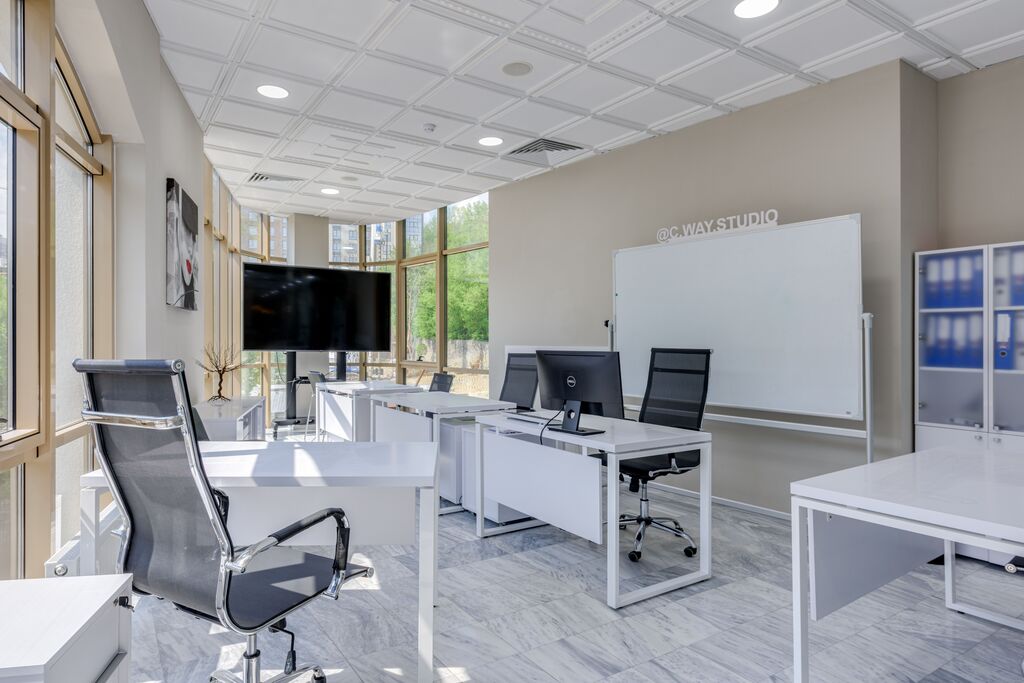
Create Spaces for Both Collaboration and Focus
Today's offices need to support a variety of work styles. Employees collaborate, meet virtually, brainstorm, concentrate, and solve problems throughout the day, often requiring different environments for different tasks.
Instead of filling an office with rows of identical workstations, consider creating dedicated zones for:
- Collaborative team work.
- Private offices and focused work.
- Phone booths and quiet rooms.
- Breakout lounges and informal meetings.
- Training and multipurpose spaces.
Many businesses are moving toward flexible environments that support hybrid schedules and changing workforce needs. If your organization has remote or hybrid employees, you'll also benefit from designing flexible workspaces that adapt as your business evolves.
If you're still deciding between enclosed offices and more collaborative layouts, our comparison of open offices versus private offices can help you determine which approach best fits your team and company culture.
Plan for Growth Instead of Planning to Replace Everything Later
Your office should support where your business is headed, not just where it is today. If you expect to add employees, create new departments, or introduce new technology over the next few years, your furniture and layout should be ready to adapt.
Ask yourself:
- Can additional workstations be added without redesigning the office?
- Will conference rooms accommodate a growing team?
- Can modular furniture be reconfigured as departments change?
- Is there room for future technology upgrades?
- Will storage needs increase as the business grows?
Planning ahead helps maximize your investment while minimizing future disruption. Businesses that think long-term often see greater value from their furniture purchases, especially when they invest in durable commercial products designed to evolve with the organization.
If you're weighing whether to update your current office or start fresh, our guide to deciding between an office renovation and a completely new design can help you determine the best path forward.
Create a Budget That Delivers Long-Term Value
Office furniture is a business investment, not simply an expense. While it's important to establish a realistic budget, it's equally important to evaluate the long-term value of the products you're purchasing.
Break your budget into categories such as:
- Workstations and private offices.
- Conference and meeting rooms.
- Reception and waiting areas.
- Breakrooms and collaborative spaces.
- Storage, accessories, and technology integration.
Higher-quality commercial furniture typically lasts longer, requires fewer replacements, and provides a better experience for employees and visitors. That's why many businesses ultimately spend less by investing wisely from the beginning.
If you're evaluating whether premium furniture is worth the investment, explore how quality office furniture delivers long-term return on investment.
Choose a Partner Who Can Manage the Entire Project
Furnishing an office involves much more than selecting desks and chairs. Working with an experienced commercial interiors partner helps ensure every aspect of the project works together from start to finish.
A full-service workspace partner can assist with:
- Space planning and office layouts.
- Furniture specification and product selection.
- Finish and material recommendations.
- Project management.
- Delivery, installation, and final setup.
Having one experienced team oversee the entire process helps eliminate delays, reduces costly mistakes, and ensures every piece works together to create a cohesive workspace.
Once your office is furnished, keeping it organized and fully stocked becomes just as important. Our monthly office supply checklist can help ensure your new workspace stays productive long after move-in day.
Final Thoughts: A Well-Planned Office Supports Long-Term Success
Furnishing a new office is one of the most important investments you'll make in your business. The right combination of planning, furniture selection, workspace design, and future flexibility creates an environment where employees perform their best and your company can continue growing with confidence.
Taking the time to plan your space, prioritize ergonomics, balance collaboration with focused work, and invest in quality furniture pays dividends for years to come.
At OneSource Business Interiors, we help organizations across Alabama create workspaces that are functional, beautiful, and built around the way their teams actually work. From initial planning and furniture selection to delivery and installation, we manage every step of the process.
Ready to furnish your new office with confidence?
Contact OneSource Business Interiors today to schedule your workspace consultation.
One Source... Infinite Possibilities...
At One Source Business Interiors, we believe where function and design collide, exceptional workspaces emerge. No matter how you work, our commitment remains steadfast: to create functional, yet beautiful spaces tailored for your team and your business. Ready to see the difference? Fill out the quote request form and discover the unique solutions we can offer.