
Designing for Education: Collaborative Learning Environments in Alabama Schools
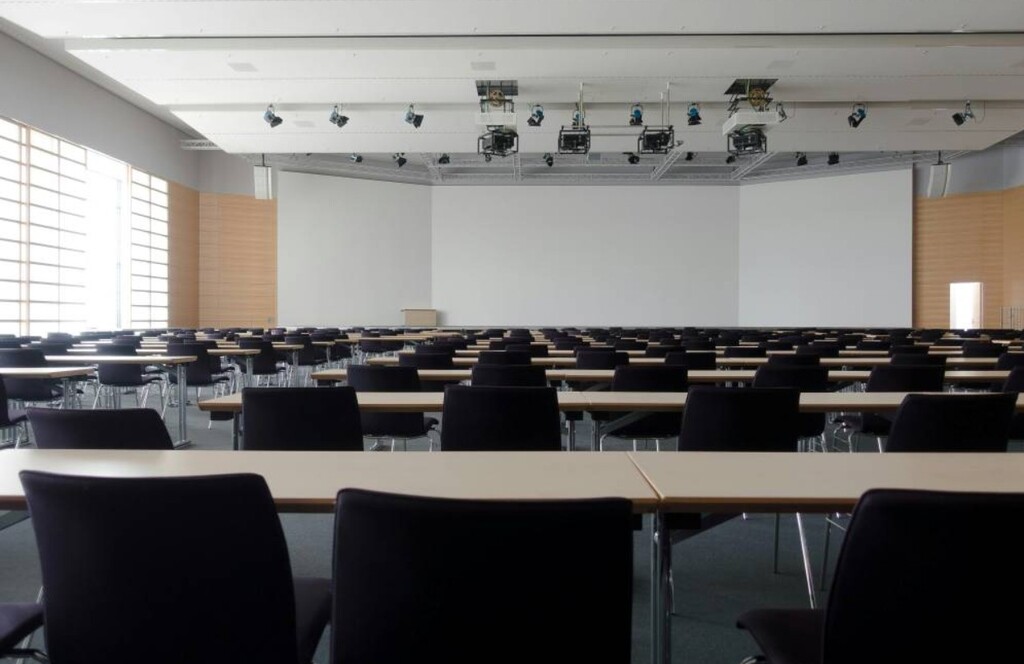
Today's classrooms look very different than they did even a decade ago. Education has become more collaborative, technology-driven, and student-centered, which means the physical learning environment must evolve alongside modern teaching methods.
Educational interior design is about much more than selecting desks and chairs. The right design supports student engagement, encourages collaboration, improves focus, and creates spaces where both students and educators can thrive. From K-12 schools to colleges and universities, educational facilities throughout Alabama are rethinking how classrooms, libraries, student commons, and shared learning spaces can better support today's learners.
At OneSource Business Interiors, we partner with educational institutions across Alabama to create flexible, durable, and inspiring learning environments designed for long-term success.
Why Collaborative Learning Environments Matter
Modern education emphasizes teamwork, critical thinking, communication, and hands-on learning. Traditional classrooms filled with fixed rows of desks simply aren't designed to support those goals.
Today's students often move between individual assignments, small-group discussions, presentations, and technology-based instruction throughout the same class period. Flexible classroom environments make those transitions seamless while encouraging greater participation and engagement.
Many of the same workplace strategies businesses use to encourage teamwork are now being incorporated into educational facilities. Creating adaptable learning spaces follows many of the same principles used when designing flexible environments that support different ways people work and collaborate.
Well-designed collaborative classrooms often provide:
- Furniture that can easily be rearranged for different teaching styles.
- Collaborative workstations for group projects.
- Integrated technology that supports digital learning.
- Comfortable seating that encourages longer engagement.
- Clear sightlines between students and instructors.
- Flexible layouts that adapt as educational needs evolve.
Design Classrooms That Support Multiple Learning Styles
No two students learn exactly the same way. Some thrive during group discussions, while others perform best during quiet, independent work. Effective educational interiors create spaces that accommodate both.
Rather than designing every classroom around a single layout, schools are increasingly incorporating multiple learning zones within the same space.
These might include:
- Collaborative tables for team-based learning.
- Individual study areas for focused work.
- Presentation spaces for classroom discussions.
- Soft seating areas for informal collaboration.
- Technology stations for digital instruction.
This flexibility allows educators to adjust the classroom to match lesson objectives while giving students more opportunities to engage in ways that fit their individual learning preferences.
Furniture Plays a Bigger Role Than Many Schools Realize
Furniture is one of the most important investments an educational institution can make. Quality furniture supports learning, withstands years of daily use, and provides flexibility as teaching methods continue to evolve.
Schools should look for furniture that offers:
- Durable commercial-grade construction.
- Easy mobility for quick classroom reconfiguration.
- Ergonomic seating that promotes proper posture.
- Scratch-resistant, easy-to-clean surfaces.
- Adaptable pieces that serve multiple purposes.
While purchasing quality furniture often requires a larger upfront investment, institutions frequently discover that investing in better commercial furniture reduces long-term replacement costs while improving the learning environment.
Schools planning renovations or new facilities also benefit from creating a comprehensive furniture and space plan before making purchasing decisions, ensuring every piece supports both educational goals and long-term flexibility.
Technology Should Be Built Into the Learning Environment
Technology has become an essential part of modern education, making classroom design more important than ever. Rather than treating technology as an afterthought, today's educational facilities should integrate it directly into the learning environment.
Successful educational spaces often include:
- Accessible power throughout the classroom.
- Interactive displays and smart boards.
- Charging stations for student devices.
- Wireless presentation technology.
- Acoustic treatments that improve speech clarity.
- Flexible instructor stations that support multiple teaching styles.
When technology, furniture, and layout are planned together, classrooms become more adaptable while creating a smoother experience for both educators and students.
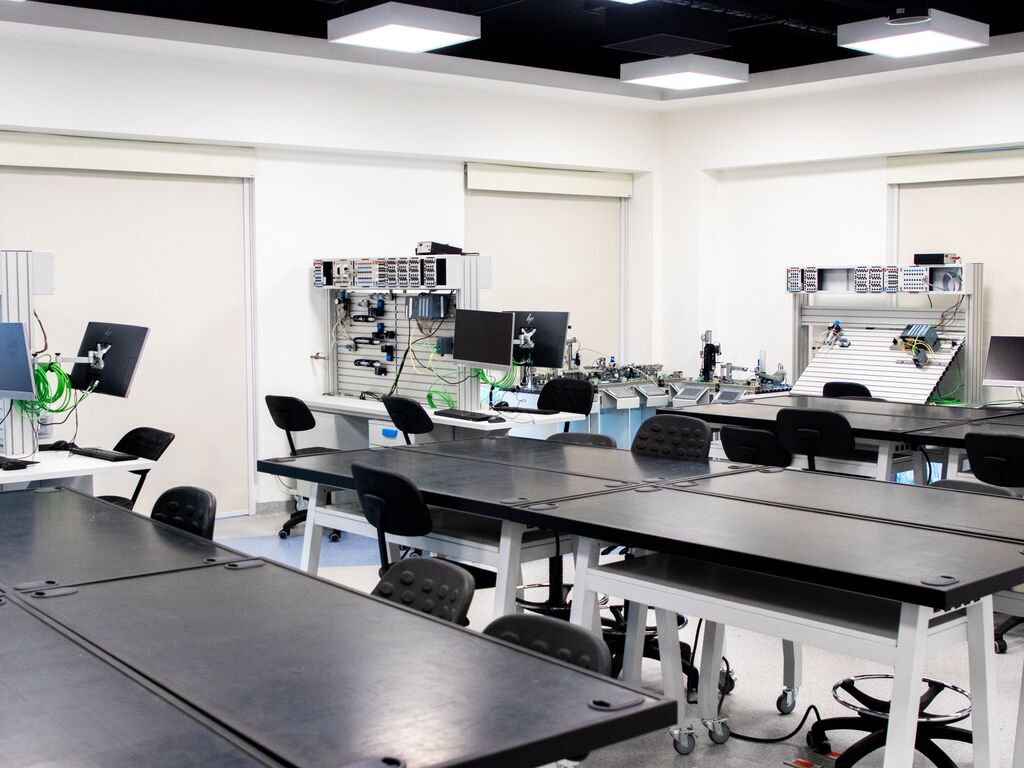
Natural Light and Biophilic Design Improve Student Performance
Students and educators spend much of their day indoors, making the physical environment an important contributor to learning, concentration, and overall well-being. Research continues to show that natural light, views of nature, and thoughtfully selected colors can positively influence focus, reduce stress, and create a more welcoming educational experience.
Simple design strategies can make a measurable difference, including:
- Maximizing natural daylight whenever possible.
- Using calming, neutral color palettes that minimize distractions.
- Adding plants and natural materials throughout common areas.
- Creating inviting study spaces with comfortable seating.
- Designing student commons that encourage both collaboration and relaxation.
These same principles are being used across many industries because thoughtfully designed environments improve engagement and overall satisfaction. Organizations interested in creating healthier environments often begin by understanding how intentional interior design influences performance and well-being.
Safety and Durability Should Never Be an Afterthought
Educational facilities experience constant daily use, making durability one of the most important considerations during the design process. Furniture, flooring, finishes, and collaborative spaces must withstand years of heavy traffic while remaining attractive, functional, and easy to maintain.
Schools should prioritize:
- Commercial-grade furniture designed for educational environments.
- Scratch-resistant and easy-to-clean surfaces.
- Durable flooring that supports heavy foot traffic.
- Furniture with rounded edges and safety-focused construction.
- Flexible layouts that maintain clear traffic flow throughout the building.
Choosing high-quality materials reduces maintenance costs while helping schools maximize the life of their investment.
Learning Extends Beyond the Classroom
Some of the most meaningful learning happens outside traditional classrooms. Libraries, media centers, student commons, study lounges, cafés, and outdoor gathering areas have become valuable extensions of the educational experience.
These shared environments encourage:
- Informal collaboration between students.
- Small-group study sessions.
- Faculty and student interaction.
- Independent research.
- Campus community building.
Just as businesses are designing workplaces that support different work styles, educational institutions are creating environments that allow students to choose the setting that best supports the task they're working on.
Great Educational Design Benefits Students, Faculty, and Communities
Thoughtfully designed educational facilities don't just improve the student experience. They also help schools recruit talented educators, attract prospective families, support staff retention, and strengthen community pride.
A modern learning environment demonstrates an institution's commitment to innovation, collaboration, and student success. As expectations continue to evolve, educational facilities that invest in flexible, student-centered spaces position themselves to serve future generations more effectively.
Create Learning Environments Designed for the Future
Educational interior design is about creating spaces that inspire curiosity, encourage collaboration, and support every stage of the learning experience. From flexible classrooms and collaborative commons to durable furnishings and integrated technology, every design decision contributes to student success.
At OneSource Business Interiors, we partner with K-12 schools, colleges, universities, and educational organizations across Alabama to create learning environments that are functional, adaptable, and built to last. Our team provides space planning, furniture selection, project management, and installation services tailored to the unique needs of educational facilities.
One Source... Infinite Possibilities...
At One Source Business Interiors, we believe where function and design collide, exceptional workspaces emerge. No matter how you work, our commitment remains steadfast: to create functional, yet beautiful spaces tailored for your team and your business. Ready to see the difference? Fill out the quote request form and discover the unique solutions we can offer.